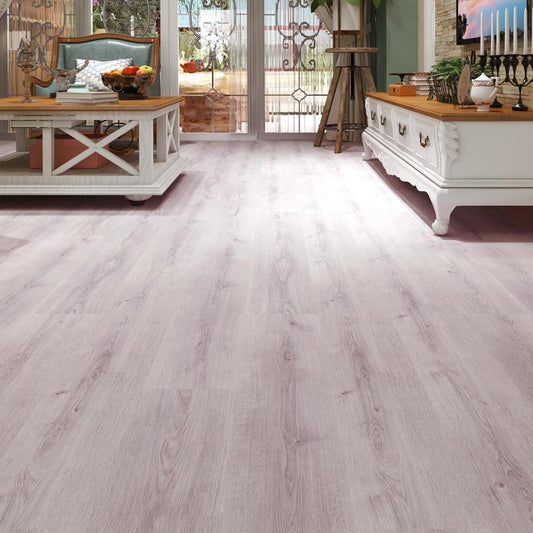
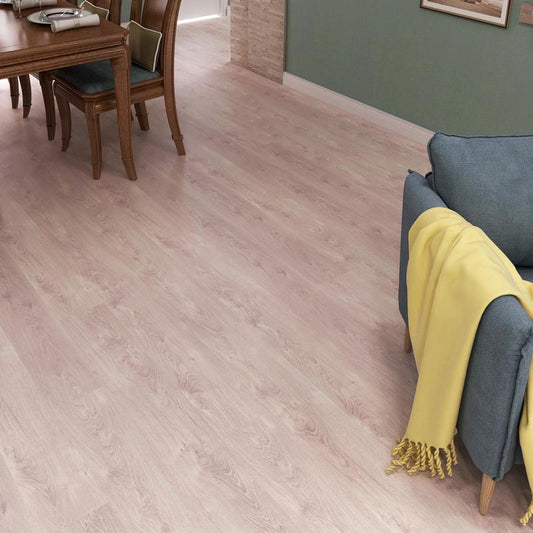
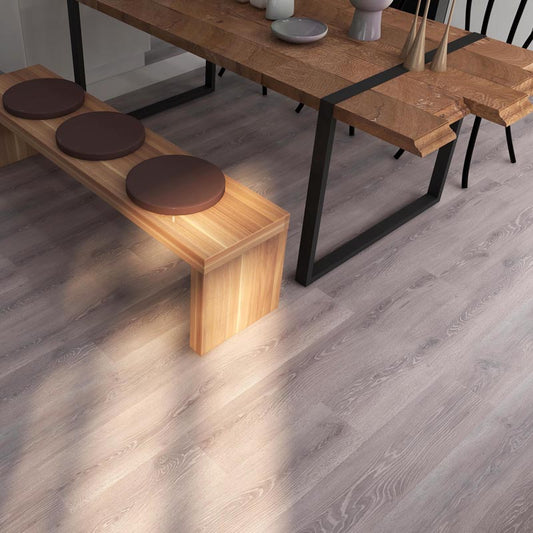
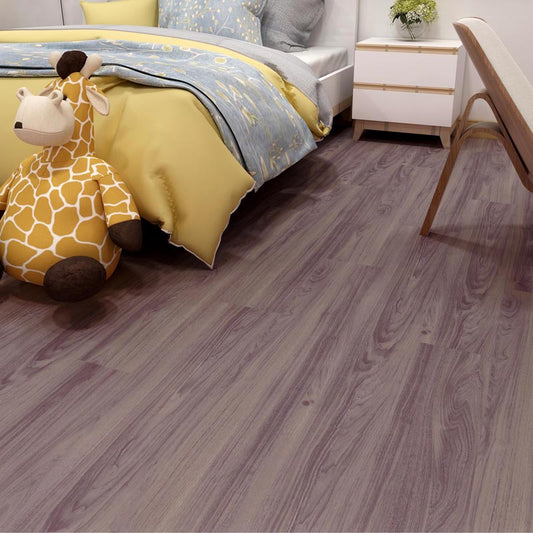
Flooring is the foundation of any interior space, impacting comfort, aesthetics, safety, and long-term property value. Yet most homeowners and commercial builders struggle to pick a reliable option that balances durability, affordability, and visual appeal. Hardwood floors look premium but demand high maintenance; laminate is budget-friendly but prone to water damage; tiles are tough but cold and labor-intensive to install. In recent years, SPC flooring (Stone Plastic Composite Flooring) has emerged as the leading alternative that fixes nearly every flaw of traditional flooring types. If you’re researching modern, long-lasting flooring for your home renovation or commercial project, this in-depth guide will break down exactly what SPC flooring is, how it’s constructed, its key benefits, ideal uses, maintenance needs, and how it stacks up against competing materials.

1. What Is SPC Flooring?
SPC stands for Stone Plastic Composite, a rigid, high-density engineered flooring material crafted from a balanced blend of natural limestone powder, premium PVC resin, and non-toxic stabilizers. Unlike flexible vinyl flooring or wood-based flooring solutions, SPC features a fully rigid core manufactured through high-temperature compression and precision calendering processes. This advanced manufacturing creates an ultra-stable floor material that resists water, temperature fluctuations, and physical damage far better than conventional flooring options.
Many new buyers confuse SPC with standard LVT (Luxury Vinyl Tile) or WPC flooring, but the differences are substantial. Traditional vinyl floors are soft and flexible, making them prone to indentation and dimensional shift. WPC flooring relies on wood fiber fillers, which retain minor moisture and risk swelling over time. SPC’s primary ingredient is inorganic stone powder, eliminating water absorption, shrinkage, and warping entirely. Simply put, SPC flooring is a next-generation, problem-solving flooring designed to deliver consistent performance in spaces where traditional floors fail.
2. The Four-Layer Construction of Premium SPC Flooring
The superior performance of SPC flooring stems from its layered composite structure. Every layer serves a specific purpose, working in tandem to create a floor that is beautiful, durable, comfortable, and low-maintenance. High-quality SPC flooring features four integrated layers, engineered for long-term residential and commercial use:
2.1 UV-Cured Scratch-Resistant Wear Layer
The topmost transparent layer is treated with industrial-grade UV protection technology, designed to withstand daily wear and tear. This layer resists scuffs from pet claws, moving furniture, high foot traffic, and everyday household friction. It also blocks harmful UV rays to prevent fading and discoloration from natural sunlight exposure. Premium SPC products feature a 0.3mm to 0.7mm thick wear layer, ensuring long-lasting performance even in busy living areas, retail spaces, and office hallways.
2.2 High-Definition Printed Decorative Film
Beneath the wear layer lies a hyper-realistic decorative film that replicates authentic natural textures. Advanced digital printing technology captures intricate details of oak, walnut, maple, marble, and natural stone, with natural color variations and grain patterns that eliminate the repetitive, artificial look of cheap laminate floors. This layer allows SPC flooring to mimic high-end hardwood and tile aesthetics at a fraction of the cost, suiting modern, minimalist, rustic, and luxury interior designs alike.
2.3 Solid Rigid SPC Core
As the backbone of the flooring system, the rigid core accounts for most of SPC’s exceptional performance. Composed of 65% natural limestone powder and 35% durable PVC resin, this high-density core is completely non-porous. It does not absorb water, expand in humid conditions, or contract in dry, cold weather. Unlike wood-based floors that develop mold, warp, or arch after moisture exposure, the SPC core maintains a perfectly flat, stable shape year-round, regardless of climate or indoor humidity levels.
2.4 Cushioned Balance Backing Layer
The bottom backing layer adds functional comfort and structural stability. This elastic underlayer reduces walking noise, absorbs footstep impact for softer underfoot feel, improves skid resistance, and balances the floor to prevent uneven laying or hollow spots. It also creates a subtle buffer against minor subfloor imperfections, delivering a smoother, more stable installation result than rigid ceramic tile.
3. Key Benefits of SPC Flooring for Home & Business Owners
SPC flooring’s skyrocketing popularity globally is no accident. It directly addresses the most common consumer pain points: water damage, high maintenance costs, short lifespan, environmental concerns, and limited usability. Below are the core advantages that make SPC the top choice for modern flooring projects:
3.1 Complete Waterproof & Moisture Resistance
The biggest advantage of SPC flooring is its 100% waterproof performance. Its non-porous stone-plastic composition cannot absorb water, making it impervious to spills, standing water, and persistent humidity. Kitchen splashes, bathroom moisture, damp basements, and rainy-season humidity will never cause swelling, peeling, warping, or mildew growth. Unlike hardwood and laminate flooring that require strict moisture control, SPC allows full-house installation, including traditionally risky wet zones.

3.2 Unmatched Dimensional Stability in All Climates
Seasonal temperature and humidity changes wreak havoc on traditional flooring. Hardwood shrinks and cracks in dry winter air and swells in summer humidity. Laminate floors buckle and separate at seams under variable conditions. SPC’s rigid inorganic core resists thermal expansion and contraction completely. It remains flat and stable in hot, sunlit rooms, air-conditioned indoor spaces, and cold winter environments, delivering consistent performance in all climate zones worldwide.
3.3 Heavy-Duty Scratch & Wear Resistance
Built for high-traffic use, SPC flooring combines a tough UV wear layer and a hard stone composite core to resist scratches, dents, and abrasions. It easily withstands pet activity, children’s play, frequent furniture movement, and daily foot traffic without visible damage. Families with pets and active children benefit greatly from its durable surface, while commercial spaces enjoy a longer service life with minimal signs of wear compared to vinyl and laminate alternatives.
3.4 Zero-Formaldehyde Eco-Friendly Safety
Health and environmental safety is a top priority for modern homeowners, and SPC flooring exceeds industry safety standards. Made from natural limestone and food-grade PVC resin, premium SPC contains no formaldehyde, benzene, or toxic adhesives, ensuring zero harmful emissions. Its dense structure inhibits mold, mildew, and bacterial growth, creating a healthier living environment for kids, pregnant women, and elderly residents. Additionally, SPC materials are fully recyclable, aligning with global green building standards.
3.5 Fast DIY Click-Lock Installation
Nearly all modern SPC flooring features a glue-free click-lock installation system. The interlocking planks fit tightly together without nails, mortar, or chemical adhesives, creating a clean, fast, and non-toxic installation process. Homeowners can complete simple DIY renovations, while professional contractors can finish projects in half the time required for tile or hardwood installation. This drastically cuts down on labor costs and construction downtime.
3.6 Effortless Low-Cost Maintenance
Unlike solid wood floors that require seasonal waxing, refinishing, and careful chemical treatment, SPC flooring needs almost no specialized maintenance. Its stain-resistant sealed surface repels spills, dirt, and grime. Daily upkeep only requires sweeping, vacuuming, or mopping with a mild damp cloth. There is no need for expensive cleaning products or routine professional care, saving significant time and money on long-term floor upkeep.
4. Best Applications for SPC Flooring
Thanks to its versatile all-weather, all-space performance, SPC flooring suits nearly all indoor residential and commercial environments, outperforming traditional floors in both standard and high-demand spaces.
4.1 Residential Interior Spaces
SPC is ideal for living rooms, bedrooms, home offices, balconies, kitchens, bathrooms, and basements. Its waterproof properties solve the biggest residential flooring pain point—moisture damage in wet areas. Its non-slip surface enhances family safety, while its diverse wood and stone aesthetics complement every home decor style, from contemporary minimalism to classic rustic designs. It is particularly perfect for pet-friendly households and families with young children.
4.2 Commercial High-Traffic Spaces
For commercial settings, SPC flooring offers unbeatable cost-performance and durability. It is widely used in offices, retail stores, shopping malls, schools, kindergartens, hospitals, clinics, hotel lobbies, and corridors. Its wear resistance handles constant pedestrian flow, while its antibacterial, fire-retardant, and non-slip properties meet strict public safety and hygiene regulations. Its fast installation also minimizes business downtime during renovations.

5. SPC Flooring vs. Traditional Flooring Types
To help buyers make confident decisions, here is a clear comparison between SPC flooring and mainstream flooring options on the market:
5.1 SPC vs. Solid Hardwood Flooring
Hardwood delivers natural luxury but comes with high price tags, high maintenance needs, and poor water resistance. It warps, rots, and molds in humid conditions and requires annual upkeep. SPC replicates hardwood’s natural beauty at a lower cost, with full waterproofing, zero maintenance, and superior stability, eliminating all of hardwood’s fragile limitations.
5.2 SPC vs. Laminate Flooring
Laminate is affordable but highly susceptible to water damage, easily swelling and delaminating after spills. Many low-quality laminate products carry formaldehyde risks and lose their finish quickly. SPC offers zero formaldehyde emissions, complete waterproof protection, better structural stability, and a far longer service life.
5.3 SPC vs. WPC Flooring
While both are composite floors, WPC uses wood fiber fillers that retain slight moisture and have lower hardness. SPC’s stone powder core provides higher density, better water resistance, superior temperature stability, and stronger impact resistance, making it more reliable for long-term commercial and humid-area use.
5.4 SPC vs. Ceramic Tile
Tiles are waterproof but cold underfoot, noisy, slippery when wet, and extremely labor-intensive to install. Broken tiles are difficult to replace, and grout lines easily accumulate dirt and mold. SPC flooring offers warm, soft foot feel, excellent sound insulation, anti-slip performance, fast installation, and easy replacement, making it far more user-friendly for residential spaces.
6. Simple Long-Term Maintenance Tips for SPC Flooring
One of SPC’s greatest strengths is its low-maintenance design. To preserve its pristine appearance and maximize its lifespan, follow these straightforward guidelines:
Perform daily cleaning with a dry or slightly damp mop to remove dust and stains, avoiding harsh acidic or alkaline cleaners that can erode the surface wear layer. Attach protective felt pads to furniture legs to prevent scratches during movement. Wipe up standing water promptly, even though the floor is waterproof, to protect edge seams from prolonged moisture exposure. Limit long-term direct intense sunlight to avoid minor color variation across the floor surface. With these simple steps, SPC flooring can maintain a brand-new condition for 15–20 years.
7. Final Verdict: Is SPC Flooring Worth Investing In?
SPC flooring stands out as the most well-rounded modern flooring solution available in 2026. It merges the aesthetic charm of hardwood, the toughness of ceramic tile, and the safety and practicality of modern eco-friendly materials, overcoming nearly every weakness of traditional flooring types. It is waterproof, stable, durable, non-toxic, easy to install, and budget-friendly, delivering exceptional value for both residential renovations and commercial construction projects.
For homeowners seeking a worry-free, family-safe, long-lasting floor with minimal upkeep, SPC is the perfect upgrade. For business owners looking for cost-effective, high-performance flooring that withstands heavy daily use, SPC offers unmatched return on investment. As flooring technology continues to evolve, SPC flooring has solidified its position as the future of global interior flooring, balancing beauty, performance, and sustainability seamlessly.
Whether you are completing a full home renovation, replacing old, damaged flooring, or outfitting a new commercial space, SPC flooring provides reliable, stylish, and long-lasting results that enhance any interior environment for years to come.

About Gilardino
Gilardino (Jiangxi Gilardino Building Materials Technology Co., Ltd.), founded in 2016, is a professional large-scale manufacturer dedicated to the R&D, production and sales of diversified flooring and wall decoration materials. Our core product lineup covers SPC click flooring, homogeneous flooring, heterogeneous commercial flooring, professional sports flooring and wall decorative materials, supporting customized, wholesale and project flooring solutions for global clients.
Equipped with multiple advanced production lines and standardized ISO quality management systems, all our products have passed authoritative CE, SGS, FloorScore and GREENGUARD GOLD certifications. Adhering to strict quality control and eco-friendly production standards, our versatile flooring products serve residential, commercial, medical, educational and sports scenarios, enjoying a global sales network and reliable market reputation.
Focusing on high-quality, durable and healthy flooring solutions, Gilardino commits to delivering cost-effective, one-stop interior decoration materials for worldwide partners and end users.